
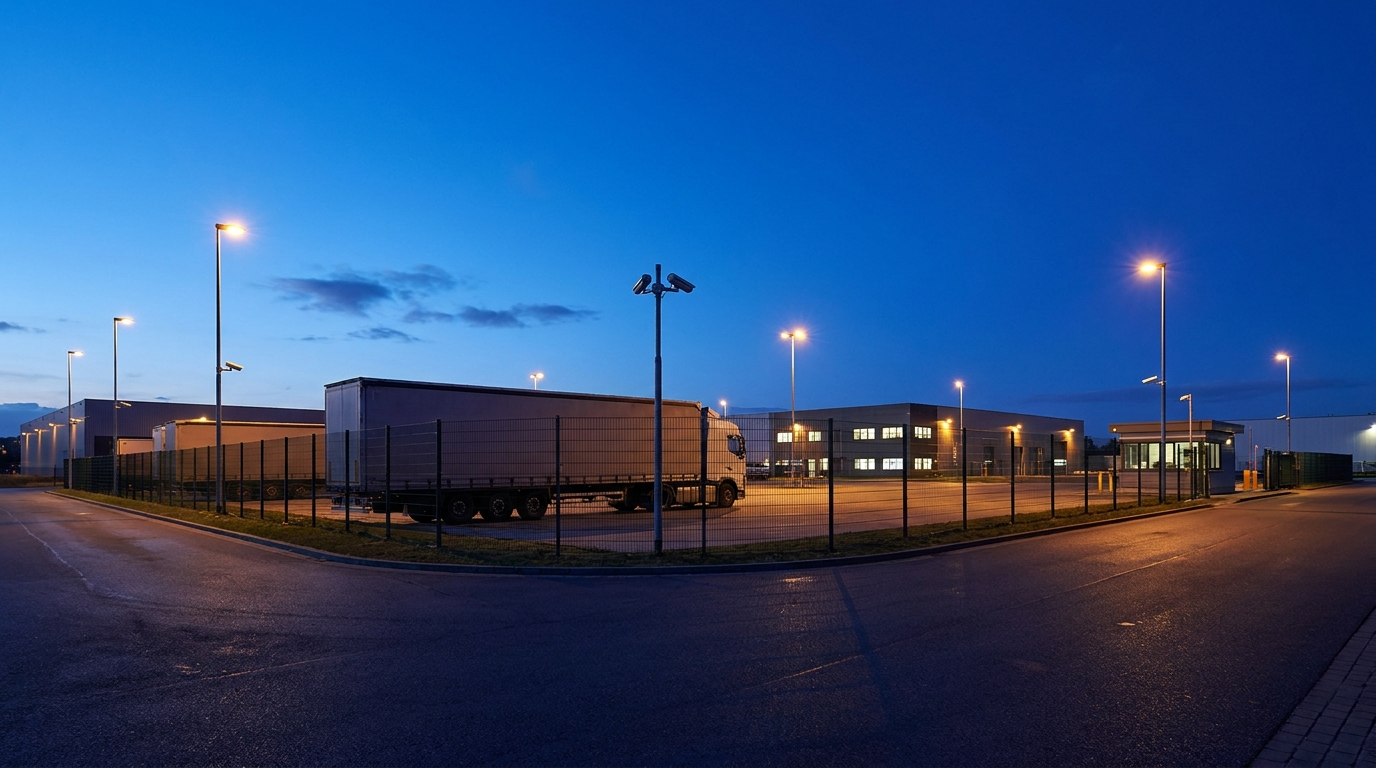
If you move freight by road across Europe, cargo theft is no longer a marginal risk — it is one of the fastest-growing cost lines in the industry. Between 2022 and 2023, cargo theft losses across the EU jumped 438%, and in February 2026 alone, Europe recorded €166.5 million in losses across 1,168 separate incidents. This article walks through the latest data, where and how these thefts happen, and which measures actually reduce the risk when you book freight transport.
The scale of the problem in 2026
Annual cargo theft costs across Europe now exceed €8.2 billion, according to industry estimates compiled by logistics security analysts. In February 2026 alone, the 1,168 recorded incidents averaged nearly €5.9 million in losses per day. High-value thefts above €100,000 (57 cases that month) averaged €2.85 million per incident, a clear sign this is not petty theft but organised crime targeting high-value freight.
By country, Germany leads by a wide margin (223 cases in February 2026), followed by Italy (105), Spain (96), France (79) and the UK (64). Road freight accounts for more than three-quarters of cargo theft globally, which makes any business moving goods across Europe a potential target, regardless of size.
What gets stolen, and how
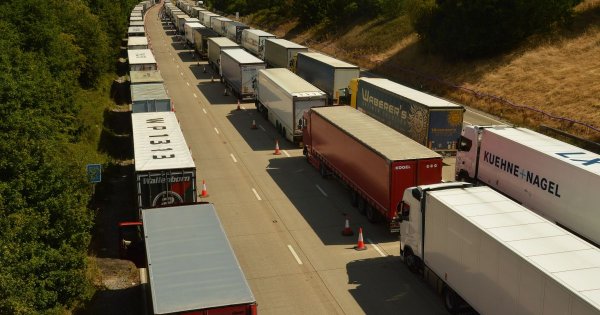
Food and beverages top the list of stolen goods, followed by pharmaceuticals (especially attractive for their compact size and high market value), electronics and automotive parts. As for method, nearly one in five thefts is a direct vehicle or driver hijacking, but most cases (roughly two-thirds as of mid-2025) involve cutting the trailer curtain or forcing locks, typically while the vehicle is parked. Unsecured motorway rest areas are well-known hotspots for organised gangs, alongside warehouse and depot intrusions, plus a growing number of fraudulent-carrier and insider-collusion cases.
What actually reduces the risk
The industry benchmark is the TAPA TSR (Trucking Security Requirements) standard, reviewed every three years to keep up with evolving criminal tactics. In practice, the measures that make a real difference are:
- 24/7 GPS tracking and geofencing, to catch any route deviation or unscheduled stop immediately.
- Sealed trailers with numbered security seals that let you verify in seconds whether cargo has been tampered with.
- Certified secure parking instead of open rest areas, especially on higher-risk stretches and at night.
- Carrier vetting and verification, to prevent fraudulent-carrier scams, one of the fastest-growing methods as the industry digitises.
- Driver training on safe-stop procedures and how to react to attempted theft.
No single measure eliminates the risk, but combined, they sharply cut the odds that your cargo becomes an easy target compared with shipments that skip these controls.
Why CMR insurance is not always enough
Many businesses assume the carrier's insurance covers them fully, and that is not always the case. The CMR Convention, which governs carrier liability in international road transport, caps compensation at 8.33 SDR (Special Drawing Rights, the IMF's reference unit) per kilogram of gross weight lost or damaged. In euros, that works out to roughly €9-10 per kilo, depending on the exchange rate. For many lightweight, high-value shipments, such as electronics or precision parts, that cap falls well short of the goods' actual value.
That is why, when a shipment carries a high value relative to its weight, it makes sense to supplement CMR coverage with all-risk cargo insurance taken out by the cargo owner. It is a conversation worth having with your freight forwarder or insurer before an incident happens, not after.
How we apply this at Layner Group
Our fleet, ISO 9001 certified and operating under the CMR convention, includes GPS tracking on every route, sealed trailers, and supervised loading and unloading procedures. For high-value or particularly sensitive cargo, we offer additional security reinforcements; see the detail on our secure transport for high-value cargo across Europe page. CMR coverage responds in case of an incident in transit, though it is always worth checking whether additional insurance makes sense for especially valuable shipments — something we also touch on when discussing the Red Sea crisis and its effects on European logistics, another factor putting pressure on supply chains this year.
What to ask your transport provider
Before booking a freight transport service, it is worth asking directly: does the vehicle carry real-time GPS tracking? Is the trailer sealed, and is the seal checked at every stop? Does the company use certified secure parking on higher-risk routes? What does CMR coverage actually pay out in case of theft? Vague answers or the absence of clear protocols are a red flag, especially if you are shipping high-value or theft-prone goods such as electronics, branded food products, or industrial components.
Browse our freight transport section for the full range of options with reinforced security. If you want a risk assessment for your next shipment, request a quote and we will get back to you within 15-30 minutes.
The bottom line for shippers
Cargo theft in Europe is not a fringe risk anymore — it is a budget line that keeps growing, and the gangs behind it have gotten more organised, not less. Treating security as an afterthought, something you only think about after a loss, is the most expensive way to learn this lesson. Building GPS tracking, sealed trailers and vetted carriers into your standard shipping process costs far less than a single high-value theft, and it is one of the few parts of this year's logistics disruptions that a business can fully control.
Need a shipping quote?
Reach out however suits you best — we reply fast and quote your route for free.


Comments
0Leave a comment
No comments yet. Be the first!