
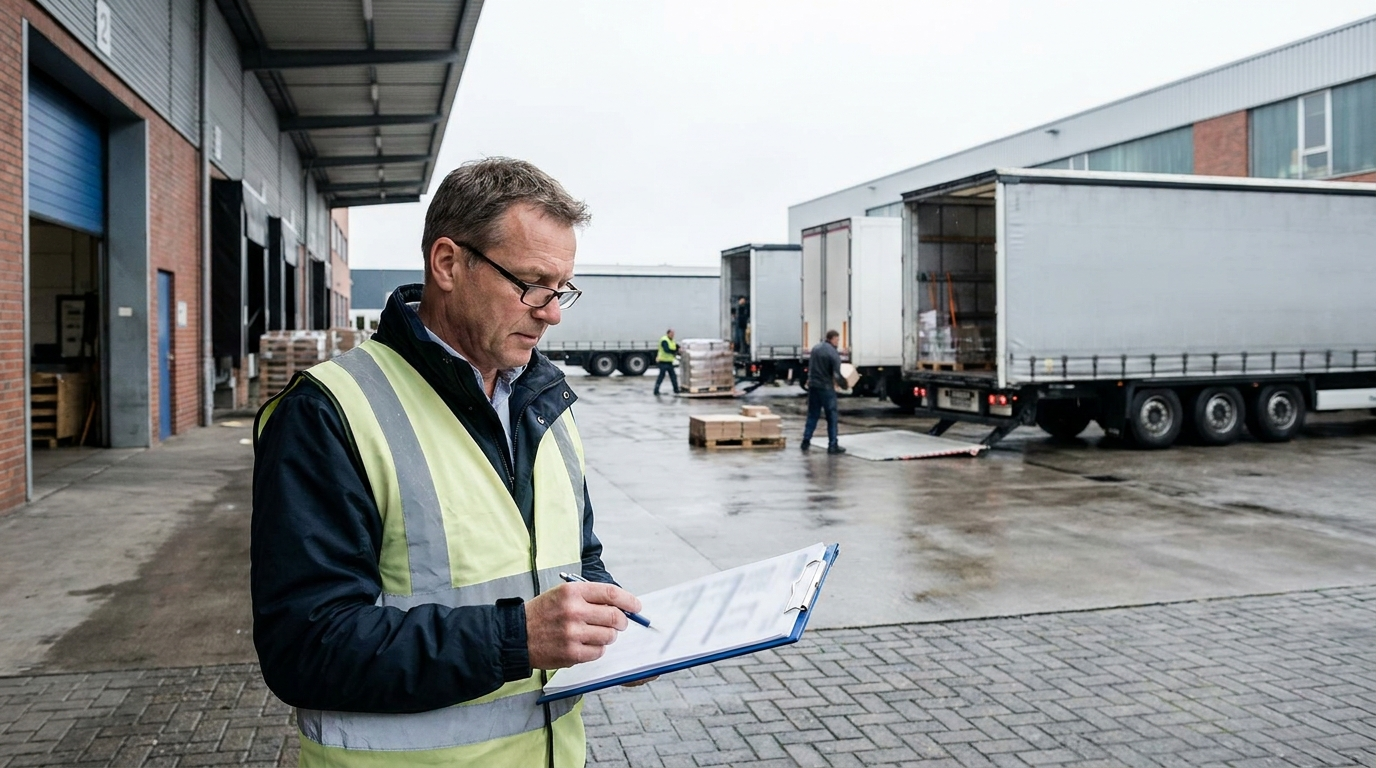
The TARIC code is the ten-digit number the EU uses to identify exactly what your product is for customs purposes, and it decides the duty you pay, the import VAT, whether a certificate or licence is required, and whether an anti-dumping duty applies. A misassigned code means overpaying on every shipment or, worse, having customs reclassify the goods later with a retroactive bill and a penalty. Here's what the code actually is, how to find the right one, and what getting it wrong costs.
What the TARIC code is and how it relates to the Harmonized System
All global goods classification starts with the Harmonized System (HS), an international standard managed by the World Customs Organization and used by more than 200 countries. The HS assigns every product a six-digit code: the first two digits identify the chapter (for example, "84" covers machinery and mechanical appliances), the next two the heading, and the last two the subheading.
The EU builds two more layers on top of the HS. First comes the Combined Nomenclature (CN), which adds two more digits to the HS code — eight digits in total — for the common customs tariff and the EU's trade statistics. On top of the CN sits TARIC, the EU's integrated tariff, which adds another two (sometimes four) digits and, crucially, pulls together in one database every trade-policy measure that applies to that product: import duties from third countries, tariff preferences, quotas, anti-dumping and countervailing duties, restrictions on specific categories, and agricultural components. The European Commission describes TARIC as "a multilingual database integrating all measures relating to EU customs tariff, commercial and agricultural legislation".
In practice: the six-digit HS code is the same worldwide, the eight-digit CN code is shared across all 27 member states, and the ten-digit TARIC code is what's actually declared when goods enter the EU, with room for additional national sub-codes for statistical or licensing purposes.
Why the code sets both your duty and your paperwork
- Duty rate. One code can carry a 0% duty while a neighbouring category on a very similar product carries 6.5% or more.
- Import VAT — some categories qualify for reduced rates, and that's tied to the code, not the product description on the invoice.
- Certificates and licences. These requirements are attached to the TARIC code in the database, not to the commercial description.
- Anti-dumping duties. Triggered by the exact combination of code and country of origin.
- Tariff preferences. Only apply to goods declared under the correct code with properly documented origin.
How to find your product's correct code
The reliable method is the European Commission's database, not guessing from a catalogue. The "Access TARIC" search on the official TARIC page lets you search by product description or a known code and returns the applicable duty, restrictions and certificates for the specific country of origin. Ask your supplier for the HS code first, check the product's technical specification, read the nomenclature wording rather than the everyday product name, and never rely on a verbal opinion from a customs officer for a borderline product.
What actually happens when the code is wrong
If the code inflates the duty, that money is usually just lost. If it understates the duty or hides a certificate requirement, customs can hold the shipment, reassess the duty retroactively, impose a fine, or require the goods to be returned or destroyed. The costliest scenario is a classification error repeated for years on the same recurring product: an audit that catches it can reopen every past declaration built on the same mistake.
Getting long-term certainty: Binding Tariff Information (BTI)
For goods imported regularly, it's worth requesting a Binding Tariff Information decision instead of relying on your own reading each time. Per the European Commission's official description, a BTI is a legal decision issued by an EU country's customs authority on a product's tariff classification, generally valid for three years EU-wide and binding on both the holder and every member state's customs administration.
Where Layner Group fits in
Layner Group coordinates transport and documentation support for imports into the EU, helping clients anticipate what documents the declared classification is likely to require — see our step-by-step guide to EU customs clearance. Who pays the duty and VAT is a separate question, set by the Incoterms in the contract — covered in Incoterms 2020 explained for SMEs. Our own fleet of 1 to 24 tonnes and 10,000+ commercial transports let us adjust routes quickly when duty conditions shift mid-contract — see flexible EU freight transport amid tariff volatility.
If your company is planning regular imports into the EU and wants to know in advance what documents and timelines your product's classification will require, request a quote — we reply with a preliminary calculation in 15–30 minutes.
Need a shipping quote?
Reach out however suits you best — we reply fast and quote your route for free.






Comments
0Leave a comment
No comments yet. Be the first!