
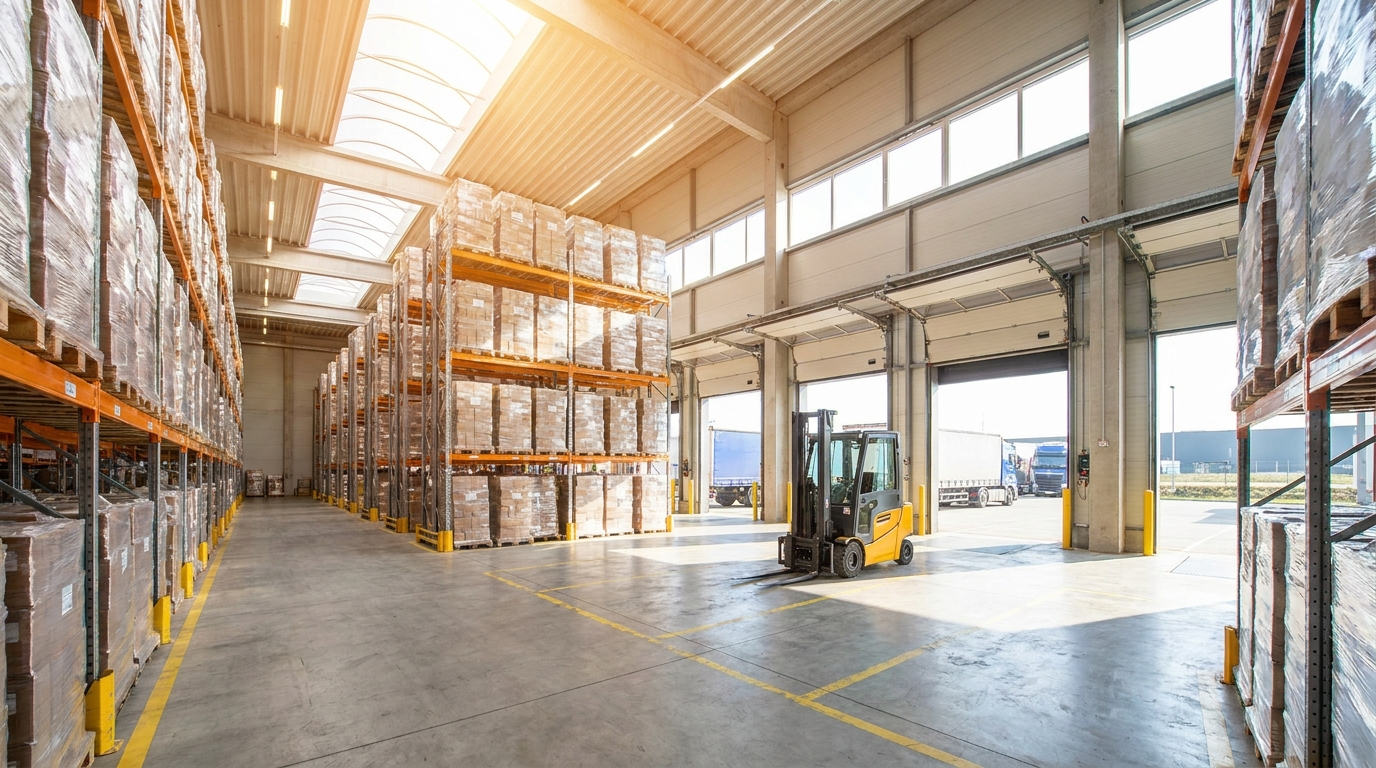
If you're importing goods into the European Union for the first time, customs clearance can look like a wall of paperwork. In practice it's a set of concrete, repeatable steps: get the right data ready before the cargo arrives, file the declaration, pass verification, and pay what's due. Here's the process from start to finish.
Before the goods arrive: what to prepare
You'll need a valid EU EORI number (requested once, used for every import after that), the tariff code (TARIC/HS) for each product, the Incoterm agreed with your supplier (it determines who handles clearance and who pays what), the commercial invoice showing the real value of the goods, and the packing list. If any of this is missing or wrong, the declaration gets rejected or delayed.
The steps of customs clearance
1. Filing the import declaration
This is submitted electronically to customs at the country of entry, usually through a customs broker or software connected to the national customs system. It includes the tariff code, customs value, origin of the goods, and the Incoterm.
2. Document check and, if selected, physical inspection
Customs checks that the documents match the declaration. Most shipments only go through document review; a percentage gets selected for physical inspection, usually based on the product type or inconsistencies in the data.
3. Calculating and paying duty and VAT
Duty depends on the TARIC code and country of origin; import VAT is calculated on the customs value plus duty and other costs up to the first point of entry into the EU. Who pays this depends on the agreed Incoterm.
4. Release of the goods
Once the amount is paid or secured, customs authorizes release and the goods can continue on to their destination.
Documents you can't skip
| Document | What it's for |
|---|---|
| EORI number | Identifies your company to EU customs |
| Commercial invoice | Determines the customs value |
| Packing list | Details packages, weight and contents |
| TARIC/HS code | Sets the applicable duty rate |
| CMR or transport document | Proves the route and the carrier |
How long does customs clearance take
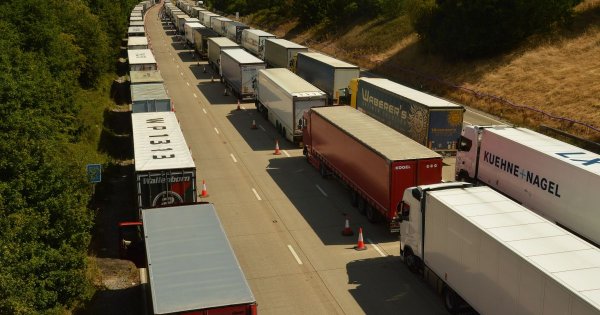
When the paperwork is complete and correct, document review is usually resolved within hours. Timelines stretch out when there's a physical inspection, missing data in the declaration, or a declared tariff code that doesn't match the actual product. The reliable way to avoid delays isn't guessing at a timeframe — it's having correct documents ready before the goods reach the border.
Do you need a customs broker?
It's not mandatory for every import, but for regular shipments or products with a complex tariff classification, a customs broker cuts the risk of costly mistakes: they know the correct classifications, handle the electronic declaration, and respond quickly if customs asks for clarification.
How Layner Group helps
We coordinate transport and documentation support for your import into the EU, with coverage across all 27 countries and offices in France and Poland. We operate under ISO 9001 certification and CMR compliance, and we help you anticipate what documentation you'll need based on your product and route before the cargo is even moving.
Have an import underway? Request a quote and we'll tell you what you need.
Need a shipping quote?
Reach out however suits you best — we reply fast and quote your route for free.
Related: 7 mistakes that hold cargo up at EU customs, who pays duty and VAT depending on the Incoterm, and CMR, T1 and road transport documents.



Comments
0Leave a comment
No comments yet. Be the first!