
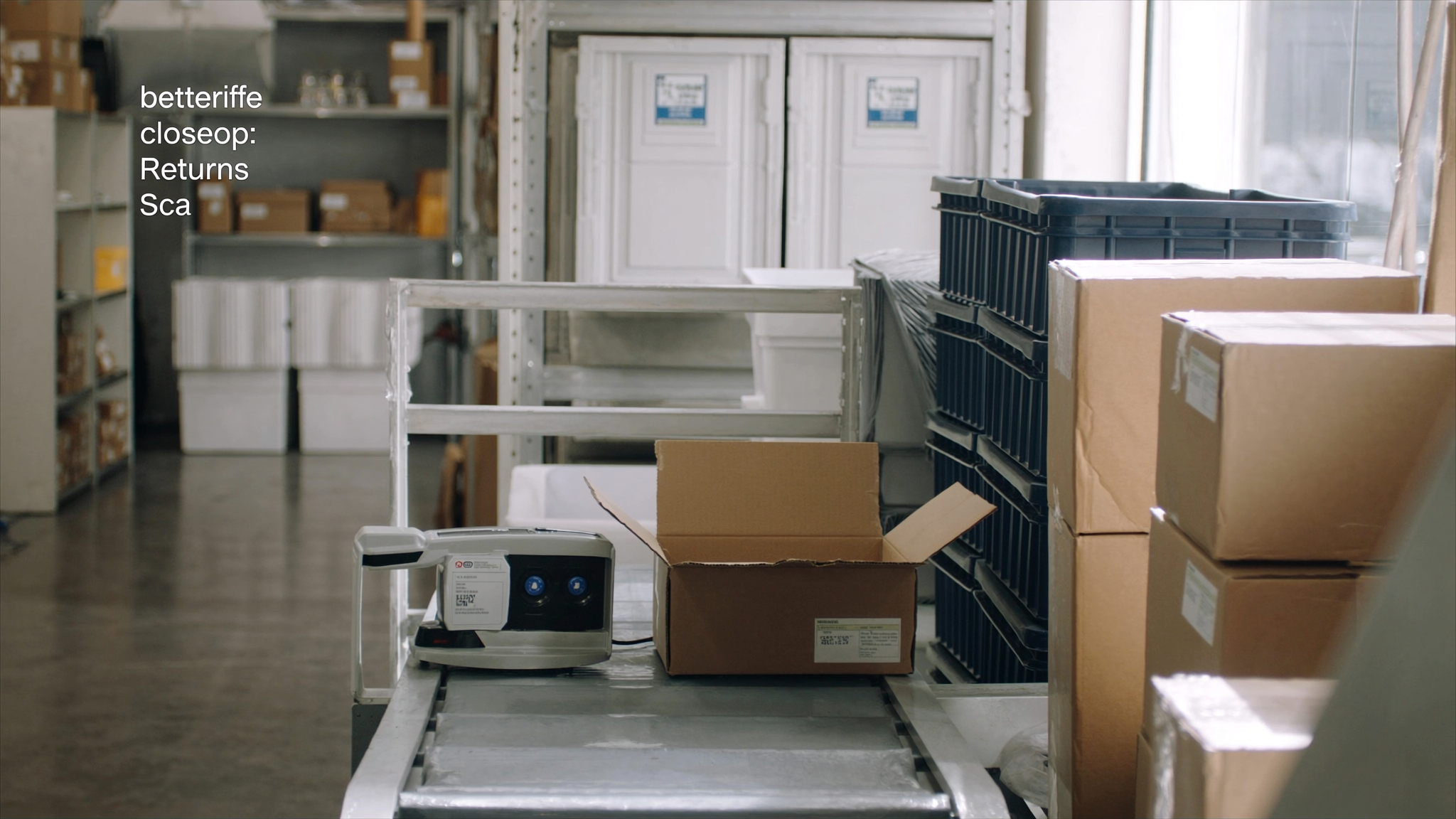
Every online store selling across the EU eventually runs into the same problem: forward shipping is straightforward, but returns going the other way, across a border, are where things get messy. A product stuck in customs, a refund that takes three weeks to process, a return that costs more to ship back than the item is worth. Reverse logistics is the discipline of designing that return path before it becomes a support ticket.
Why cross-border returns are harder
A domestic return is one hop: customer to warehouse. A cross-border return within the EU usually still moves relatively freely thanks to the single market, but it still needs a defined route, a receiving point, and a decision about what happens to the item next — restock, repair, liquidate, or destroy. Without that plan set up in advance, returns pile up in whichever warehouse happens to receive them, and the accounting gets messy fast.
What a working return flow looks like
- A clear labeling and pickup process for the customer, so returns don't depend on manual back-and-forth.
- A defined receiving hub per region, rather than routing everything back to a single central warehouse regardless of distance.
- Fast triage on arrival: resalable stock goes back into inventory quickly instead of sitting in limbo.
- Visibility into where a returned item is at any point, so support teams aren't guessing when a customer asks about their refund.
Where cross-docking helps
Cross-docking — moving goods from inbound to outbound transport with minimal storage in between — works both ways: it shortens delivery on the way out, and it speeds up restocking on the way back, since returned items don't have to wait for a full warehousing cycle before becoming sellable again.
What this actually costs
Exact costs depend on volume, return rate and the countries involved, so we work in ranges until we know your operation's numbers. What's consistent is that a designed return flow is cheaper than an improvised one — fewer items get stuck, fewer refunds get delayed, and customer support spends less time chasing status updates.
Getting started
If you're currently handling returns country by country with no single process, the first step is mapping where your orders actually come from and where a receiving hub would make sense. From there, the flow can be built to fit your real volume rather than a generic template.
Need a shipping quote?
Reach out however suits you best — we reply fast and quote your route for free.



Comments
0Leave a comment
No comments yet. Be the first!