
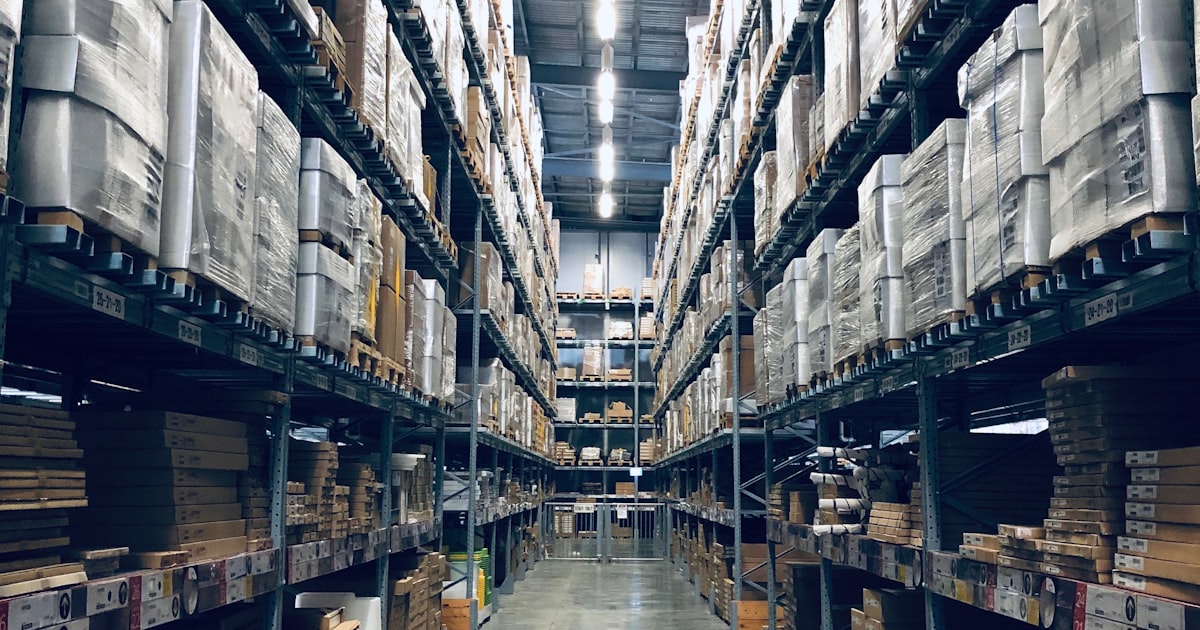
If you already know what EXW, DAP or DDP mean, the next question is usually the expensive one: when the shipment reaches the EU border, who actually pays the customs duties and VAT on EU imports, and who has to deal with the paperwork? The Incoterm on your contract answers that question directly — but only if you read it correctly, because "delivered" doesn't always mean "cleared."
How customs value is calculated
Before any duty rate applies, customs needs a number to apply it to: the customs value. In the EU, this is normally built on a CIF-style logic — the price paid for the goods, plus the cost of international transport, plus insurance, up to the point the goods enter the customs territory of the EU. Freight and insurance incurred after that point (the last domestic leg, for instance) are generally not added to the customs value, though national customs offices can ask for supporting invoices to confirm the split.
Once that value is set, the applicable duty rate depends entirely on the HS code (the tariff classification) of the goods — not on the shipment as a whole, but on each product line. Two pallets of similar-looking goods can carry very different duty rates if they're classified differently. We won't give you a specific code or percentage here, because getting it wrong is exactly the kind of mistake that causes delays and reclassification (more on that below) — always verify the exact code and rate for your product with your customs broker or your national customs authority before you ship.
Who clears customs and who pays: it depends on the Incoterm group
Incoterms are primarily about risk and cost allocation, but two of the practical questions they answer are: who is responsible for import clearance, and who actually pays the duties and import VAT. In broad terms:
- EXW / FCA-style terms: the buyer (importer) is responsible for import clearance and pays the duties and VAT. The seller's obligation effectively ends much earlier in the journey.
- DAP: the seller delivers the goods to the agreed destination, but uncleared. The buyer still has to organize import clearance and pay the duties and VAT before — or as part of — taking delivery.
- DDP: the seller handles import clearance and pays the duties and VAT, delivering the goods already cleared to the buyer's door.
The table below summarizes the practical split:
| Incoterm | Who clears customs | Who pays duties/VAT | Typical risk for the buyer |
|---|---|---|---|
| EXW / FCA | Buyer | Buyer | Buyer needs import expertise or a broker from day one; easy to underestimate the workload. |
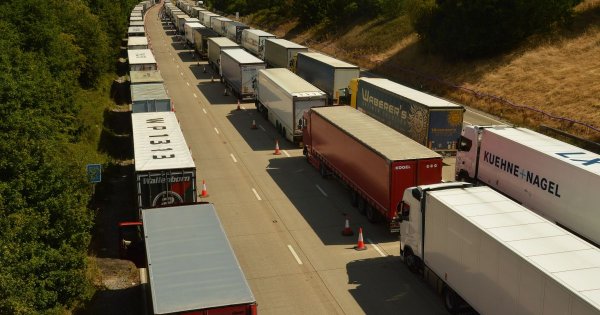
| DAP | Buyer | Buyer | Goods can sit at the border if the buyer isn't ready to clear on arrival — storage costs add up fast. |
| DDP | Seller | Seller | Lower buyer risk, but buyer should confirm in writing that DDP is genuinely what's agreed — not assumed. |
That last row matters more than it looks. A surprising share of disputes we see start with a buyer assuming DDP because "the seller always handles that," when the contract actually says DAP. By the time the shipment is sitting at an EU border warehouse and nobody has filed the import declaration, it's already costing money in storage.
VAT: intra-EU B2B movements vs. genuine imports from outside the EU
It's worth separating two situations that get confused constantly. If goods move B2B between two EU member states, that's an intra-EU acquisition, not an import — VAT is typically accounted for through the reverse charge mechanism, provided both parties have valid VAT numbers and the transaction is reported correctly. No VAT is physically paid at a border because there is no EU external border involved.
A genuine import — goods entering the EU from a non-EU country — is different. For B2B importers, import VAT can often also be accounted for via a reverse charge or postponed accounting scheme in many member states, provided the business has a valid EORI number and is properly registered for VAT. For consumers (B2C) and for businesses without the right registrations, import VAT is typically charged at the point of importation, calculated on the customs value plus duties, and must be paid (or guaranteed) before the goods are released.
The EORI number deserves its own mention: it's the identifier your business needs to import into, or export out of, the EU, and without one, customs simply won't process your declaration. If you don't have one yet, register with your national customs authority before your first shipment — not after it's already sitting at the border.
The mistakes that cost the most
In our experience coordinating cross-border shipments, the same handful of errors keep showing up:
- Choosing an Incoterm the buyer isn't ready for. EXW looks cheaper on paper, but if the buyer has never handled import clearance, the "savings" disappear into delays and broker fees arranged in a hurry.
- Wrong or missing HS code. Misclassification triggers reclassification by customs, which means delay, and sometimes a different (higher) duty rate than expected.
- No EORI number. A shipment simply cannot be cleared without one — this alone stops goods at the border more often than almost anything else.
- Underestimating the customs value. Leaving out freight or insurance costs that should be included is treated as undervaluation, not a discount.
- Assuming DDP when the contract says DAP. As above — check the actual Incoterm printed on the invoice and contract, not what you remember agreeing verbally.
How door-to-door service reduces the risk
None of this is a reason to avoid international trade — it's a reason to plan the documentation as carefully as the transport itself. Layner Group runs door-to-door shipments across all 27 EU countries with CMR-compliant paperwork prepared correctly from the start, and we coordinate with customs brokers so that the handover of documents — invoice, packing list, transport document, EORI details — happens without gaps. Route optimization also means fewer unnecessary transfers, which means fewer points where a document can go missing. We can't set your duty rate or guarantee zero cost, since that depends on your HS code, destination country and Incoterm — but we can make sure the process itself isn't what causes the delay.
If you're still deciding which Incoterm fits your shipment, our guide to Incoterms 2020 for SMEs covers the full picture, and our article on the seven most common reasons cargo gets held up at EU customs is worth a look before your next shipment.
Next step
Duties and VAT are calculable, not mysterious — but only if the Incoterm, the HS code and the paperwork line up before the truck leaves. Request a free quote from Layner Group and get a preliminary answer, including guidance on the customs side of your shipment, in 15 to 30 minutes.
Need a shipping quote?
Reach out however suits you best — we reply fast and quote your route for free.




Comments
0Leave a comment
No comments yet. Be the first!