
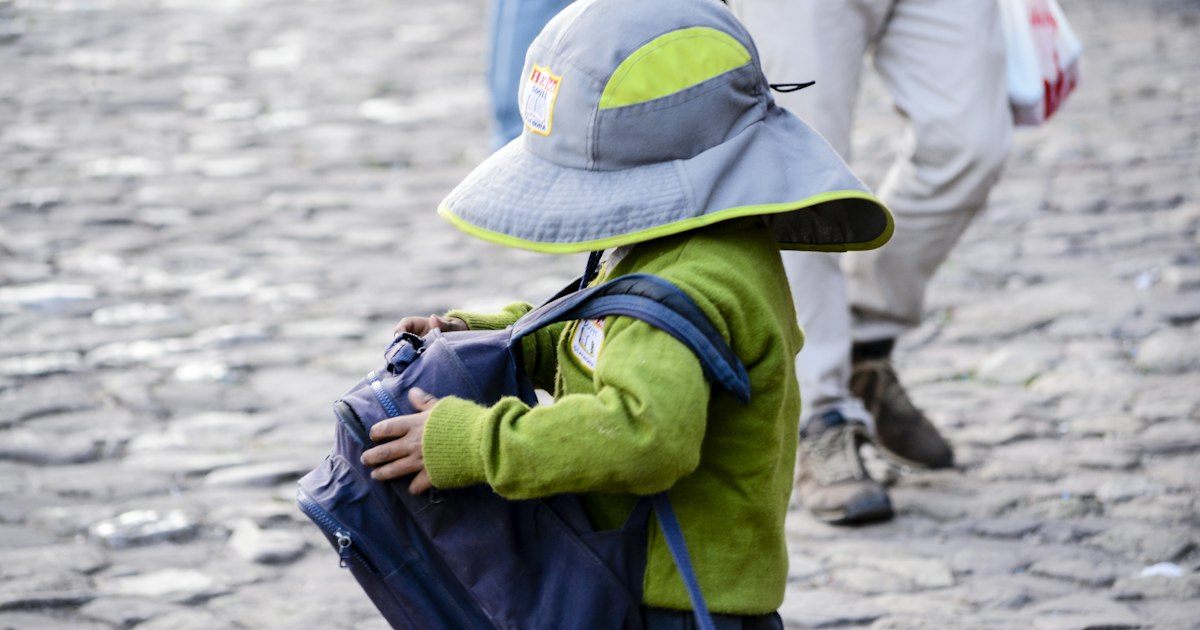
Children of EU citizens have a specific right, guaranteed at EU level: to attend school in another member state under the same conditions as that country's own nationals, regardless of how well they speak the language. In practice, though, that right runs through local paperwork that starts months before the move, not on the first day of class. Here's what the EU rule actually covers, the file of documents schools realistically ask for, and how much lead time to leave so none of it lands in the last week.
Equal access — a language gap isn't grounds to turn a child away
According to the European Commission's Your Europe portal, children of EU citizens can attend school in another member state "under the same conditions" as nationals of that country. A child is placed with their own age group, at a level equivalent to their class back home, regardless of their language level. If the family is moving for work, children are separately entitled to free introductory tuition to help them settle in, including support learning the new country's language. That's not a courtesy — if a school tries to refuse enrolment or drop a child a year down purely over language, you have official grounds to push back.
Recognition of previous schooling isn't automatic
There's no EU-wide automatic recognition of school certificates: the same source is explicit that it depends on the destination country's own rules, and in some countries you have to apply to a national authority for recognition of your child's school records before enrolling. School systems across the EU can differ sharply — some separate students into academic and vocational tracks very early — so this is worth confirming directly with the school or local education authority, not assumed away.
The file of documents worth gathering in advance
The FAQ page on the same Your Europe portal gives a practical checklist: keep a file per child with transcripts or report cards (new schools often want the originals with the school seal, not copies), reference letters from teachers or the headteacher, a list of the textbooks used and the course outline, test results — especially in the child's native language, maths and science — and immunisation records along with recent medical history. Depending on the destination country, you may also need an official translation or legalisation of these documents. That's the one item that can't be rushed in a week, so it's worth confirming the requirement early, not on enrolment day.
Nursery and preschool
The EU's equal-conditions rule is built primarily around compulsory schooling. Access to nurseries and preschool is set by each country individually, and it's often tied directly to registering your address — the same registration you'll need for your residence certificate. That's a good reason to register your new address in the first weeks after the move: in many municipalities, without it you can't enrol a child in a public nursery or even join the waiting list.
Language support once you're there
Beyond the introductory language tuition guaranteed under EU law to working families, many schools offer more: a peer "buddy" system with local students, temporarily lighter coursework in language-heavy subjects like literature or history, or dedicated hours with a learning-support teacher. Ask about this at your first meeting with the school — before the first day, not after your child has already sat through a lesson they couldn't follow.
Timeline: where to start
| When | What to do |
|---|---|
| 3 months out | Contact the school or education authority at your destination; confirm the document list and whether translation or legalisation is required. |
| 6-8 weeks out | Gather your child's file: transcripts, reference letters, textbook list, test results, immunisation records. Order translations if needed. |
| 2-4 weeks out | Book the enrolment appointment; register your address if that's required for enrolment or nursery placement. |
| First week at destination | Meet with the school to discuss language support, class placement and settling in. |
If the move itself is already decided
If a pet is travelling with the family, it runs on its own separate timeline that also starts 6-8 weeks out and doesn't wait on how fast you gather your child's paperwork — we cover that in our guide to moving abroad with a pet. The full week-by-week plan for the move itself, from your first quote to delivery day, is in our guide on how to organize an international move. And if your route happens to be Germany and Spain specifically, we have a dedicated page on door-to-door moving between Germany and Spain.
Quick FAQ
Is my child's grade or school record automatically recognised in another EU country? No — there's no automatic EU-wide recognition; it depends on the destination country's rules, so confirm with the school in advance.
Do my child's documents need translating? In many countries, yes, especially transcripts and immunisation records. Confirm requirements early, since translation and legalisation can't be rushed.
Is free language tuition guaranteed? Yes, if the family is moving to another EU country for work — that right to free introductory tuition is guaranteed at EU level.
Layner Group plans the move itself so the paperwork runs alongside it rather than against it: a preliminary quote in 15-30 minutes, and loading dates we can fit around your schedule, including your child's school start date.
Need a shipping quote?
Reach out however suits you best — we reply fast and quote your route for free.





Comments
0Leave a comment
No comments yet. Be the first!